
The Salt Stones: Seasons of a Shepherd's Life, by Helen Whybrow
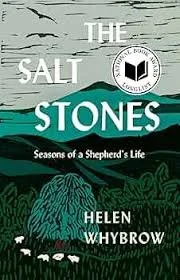
Helen Whybrow is a shepherd, raising Icelandic sheep for many years on Knoll Farm, a hilly farm in the northern half of Vermont, east of Lake Champlain, and west of New Hampshire’s White Mountains. Her book follows the seasons of a shepherd’s life in northern New England, covering practical matters such as birthing lambs and dealing with predators; relationship matters, such as raising a home-schooled daughter, and needing help from her spouse, Peter; to cultural, financial, and ecological considerations. It is not a 9-5 work day, it is a commitment and a lifestyle. Not written as a handbook or how-to, rather Whybrow shares a lyric narrative, without over-idealizing the life.
Whybrow shares her mistakes with humility, owning that the animals she cares for are the ones to pay the price for her mistakes. She writes of the rich experiences she was able to share with her free-range daughter, Wren; the benefits of hard outdoor work, being close to nature in every season; and the satisfactions of improving the land, making choices in breeding and husbandry leading to improved, valuable stock. She does not romanticize the work— lambing season means a month of broken sleep, spending hours outside each night in late winter snows, helping ewes deliver twins and triplets safely, with the heartbreak and financial loss of stillborns and ewes in peril.
We learn of the history of sheep in America, colonists’ attempts to make a thriving industry, and the harm this wrought on the environment, the ways in which indigenous people and sheep shared the land, and the ways that sheep can help or hurt the ecosystem. Whybrow discusses the challenges to small family farms today, how they are under threat, and what we stand to lose if they continue to disappear. All the practical information is couched in poetic prose, with a dreamy, philosophical lilt. It makes for an interesting juxtaposition of expression.
I have made a study of growing plants, as I’ve embarked on growing vegetables, and soon, berries for my family. I have yet to embark on raising any livestock, but I enjoy Whybrow’s approach, since it matches my regenerative methods, seeking to work with nature intelligently. The labor is harder, but by not taking mechanical or chemical shortcuts, we leave the land healthier for the future. Long listed for the 2025 National Book Award for Nonfiction, I think you will enjoy this beautifully written book.