
Theo of Golden, by Allen Levi
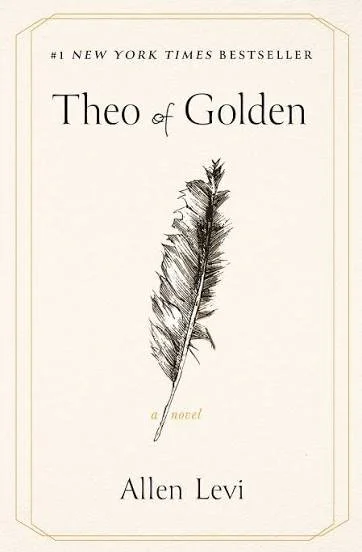
This novel was self-published in 2023, until Simon & Schuster picked it up in 2025. It is probably the buzziest novel of the summer, so your intrepid reader needed to know why all the attention? What button is this book pushing to create the groundswell?
A friendly, understated elderly gentleman visits the small downtown of Golden, Georgia. While socially engaging, he asks more questions than he answers, politely deflecting inquiries. He has a particular interest in art, music, craft, and nature, noting things made with care and detail, whether manmade or made by the Creator. His name is Theo, no last name revealed. He admits to having lived in various worldwide major cities, but presently calls New York City home. He also discloses that his home of origin is his beloved northern Portugal, the town of Pinhao in the Douro River Valley, where he developed his affinity for rivers, his habitual close observation of water, birds, and sky.
When he gets his morning coffee at The Chalice, the owner answers his questions about the pencil portraits that line the walls of the establishment. This sparks the idea, the endeavor that will fill the following year in Theo’s life, and create a community around this downtown. These portraits have all been drawn by a gifted local artist, Asher, who Theo believes to be uniquely talented, yet undiscovered by the wider world. Theo decides that he will purchase these portraits, usually in groups of four or five, write a careful, polite letter to the subject of the particular portrait, inviting them to meet in a public place, the bench by the fountain in the center of town. Theo calls these meetings bestowals, where he captivates his subject in conversation, through questions and viewing the portrait, most people open up, let down defenses, and reveal vulnerabilities and burdens they have carried through life. Theo is convinced that the magic of the unexpected gift, and the disarming deliverer, create an opportunity for the person to see themselves in a new way, resetting their life.
For some, Theo develops a closer friendship, providing a needed financial boost that has major impact. We learn that Theo is apparently a man of means, yet remaining mysterious. He brings dignity to the homeless, appreciation to the unnoticed, affirmation to the doubtful, perspective to the confused. Is he making amends for sins of the past? Using the time and treasure remaining to do selfless good? It is clear that he is trying to emulate an appreciation for beauty, the practice of kindness and generosity of spirit. Theo uses Christian language, speaking of saintliness, angels, and Heaven as our final home. He is presented as a Christ-like figure.
No spoilers here, just a minor grumble. The end comes out of the clear blue, and feels a bit contrived. The twist at the end was clever, and I should have seen it coming, so my surprise was delightful. It is a feel-good book—except for the thru-line of the mystery of Theo’s identity, there was no other real narrative tension. I think that is why people are enjoying and recommending the book. So many current novels are woke, and many readers are just so tired of that. Humanities are about learning what makes us human, trying to achieve a better understanding and deeper knowledge of our humanity. This book makes kindness and generosity of spirit the centerpiece of our humanity, and is not shy about its Christian message of faith, hope, and love for one another. Appreciate God’s creation, and try to bring some thoughtful beauty into the world yourself. The novel isn’t preachy, just teaching by example—a parable, if you will. This was a refreshing novel, in the midst of what passes for literature in this day and age. Recommended.